
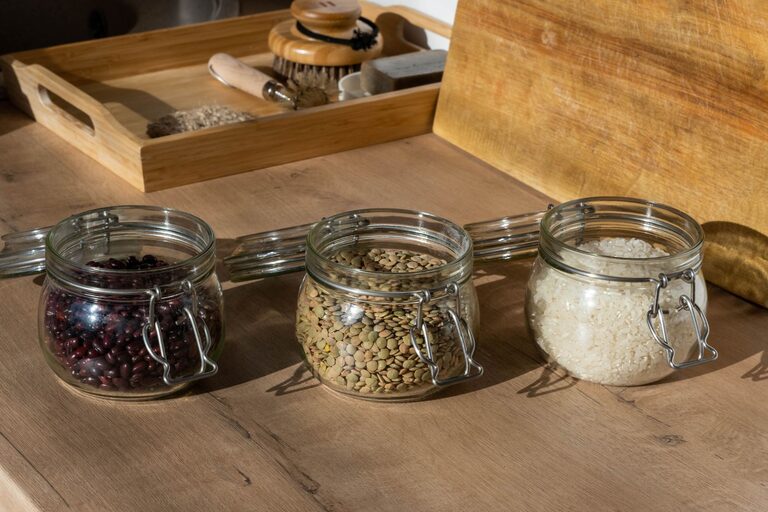
Planning meals from pantry staples can make cooking easier, more flexible, and less stressful. Instead of starting with a recipe and buying a long list of ingredients, begin with what you already have. A few basics—such as rice, pasta, beans, canned tomatoes, broth, grains, and spices—can become the foundation for many different meals.
The key is to combine shelf-stable ingredients with fresh foods and simple flavor changes. With a little organization, your pantry can support breakfasts, lunches, dinners, and snacks throughout the week.
Start With a Pantry Inventory
Before planning meals, take a quick look at what you have. Group similar items together so you can see your options clearly.
Useful pantry categories include:
– Grains: rice, pasta, oats, couscous, quinoa, and barley
– Canned goods: beans, tomatoes, corn, vegetables, fruit, and broth
– Dry goods: lentils, split peas, flour, breadcrumbs, and dried pasta
– Flavor boosters: cooking oil, vinegar, soy sauce, mustard, and spices
– Snacks and breakfast items: nuts, seeds, cereal, crackers, and nut butter
Check expiration dates and place older items toward the front. You do not need to record every item in detail. A simple list on paper or in your phone is enough.
As you take inventory, note ingredients that need to be used soon. An open package of pasta, a nearly empty bag of rice, or a can of tomatoes nearing its best-by date can help shape your meal plan.
Build Meals Around a Basic Formula
A simple meal formula makes pantry cooking easier:
Base + protein + vegetables + sauce or seasoning
For example:
– Rice + beans + canned corn + salsa
– Pasta + lentils + spinach + tomato sauce
– Oats + nuts + dried fruit + cinnamon
– Couscous + chickpeas + roasted vegetables + lemon dressing
The base provides structure, while the other components add flavor, texture, and variety. You can adjust the formula depending on what is available.
If you do not have a traditional protein source, beans, lentils, chickpeas, nuts, seeds, eggs, or canned fish can often fill that role. Fresh, frozen, or canned vegetables can be used interchangeably in many dishes.
Choose a Few Flexible Staples
Some pantry ingredients are especially useful because they work in many types of meals.
Rice and Other Grains
Rice can become a side dish, grain bowl, fried rice-style meal, soup addition, or filling for stuffed vegetables. Other grains, such as quinoa, couscous, and barley, can be used in similar ways.
Cooked grains can also help you prepare meals faster later in the week. Make a batch, cool it promptly, and store it properly so it is ready for more than one meal.
Beans and Lentils
Canned beans are convenient, while dried beans and lentils are useful for making larger batches. Use them in soups, salads, wraps, stews, pasta dishes, and grain bowls.
Lentils cook relatively quickly and can add texture to tomato sauce, curry-style dishes, or vegetable soups. Beans can be seasoned with herbs, spices, garlic, or a simple dressing.
Pasta
Pasta is more than a quick dinner with tomato sauce. Toss it with beans and vegetables, use it in a cold salad, add it to soup, or combine it with canned tuna and a light dressing.
Short shapes work well in soups and salads, while long noodles pair naturally with smooth sauces and sautéed vegetables.
Canned Tomatoes and Broth
Canned tomatoes can form the base of sauces, soups, stews, and skillet meals. Broth adds flavor to rice, grains, beans, and vegetables.
If you have both ingredients, you already have the starting point for a simple tomato soup, lentil stew, or one-pot pasta dish.
Plan by Meal Type, Not Just by Recipe
Instead of selecting seven completely different recipes, plan a few meal types that can share ingredients. This reduces preparation time and makes leftovers easier to use.
For example, a weekly plan might include:
– Two grain bowls
– One soup or stew
– One pasta dish
– One meal made from leftovers
– Simple breakfasts and lunches using oats, eggs, sandwiches, or salads
You can prepare one base ingredient and use it in multiple ways. Cooked rice might become a bowl one day and a stir-fry-style meal the next. Roasted vegetables can be served with grains, folded into an omelet, or added to a sandwich.
This approach gives you variety without requiring a completely new shopping list for every meal.
Add Flavor With Simple Combinations
Pantry meals do not have to taste repetitive. Change the flavor profile by using different seasonings and sauces.
Try combinations such as:
– Italian-inspired: tomatoes, garlic, basil, oregano, and olive oil
– Southwestern-inspired: beans, corn, chili powder, cumin, and salsa
– Mediterranean-inspired: chickpeas, lemon, herbs, vinegar, and olive oil
– Asian-inspired: rice, soy sauce, ginger, garlic, and sesame oil
– Warm and savory: broth, onions, paprika, thyme, and black pepper
A small amount of acid—such as vinegar, lemon juice, or lime juice—can brighten a dish. Toasted nuts, seeds, breadcrumbs, or crispy onions can add texture to a simple meal.
Include a Few Fresh or Frozen Ingredients
Pantry staples provide the foundation, but a few fresh or frozen ingredients can make meals more balanced and interesting. Choose items that can work across several dishes.
Good options include:
– Onions and garlic
– Carrots and celery
– Potatoes or sweet potatoes
– Cabbage
– Eggs
– Frozen peas, spinach, or mixed vegetables
– Fresh herbs or lemons
– Cheese or plain yogurt
You do not need to buy many different vegetables. Two or three versatile choices can support several meals. Frozen vegetables are especially useful because they can be added directly to soups, stir-fries, pasta, and rice dishes.
Create a Simple Weekly Planning Process
A repeatable process makes pantry meal planning faster.
1. Check What Needs to Be Used
Look for opened packages, leftovers, and ingredients approaching their best-by dates.
2. Pick Two or Three Main Bases
Choose items such as rice, pasta, potatoes, oats, or bread.
3. Add Protein Options
Select beans, lentils, eggs, nuts, seeds, canned fish, or another available option.
4. Choose Vegetables and Flavor Profiles
Decide which fresh, frozen, or canned vegetables you will use, then choose two or three seasoning combinations.
5. Plan for Leftovers
Make enough of one or two meals to cover another lunch or dinner. Store components separately when possible so they can be used in different combinations.
6. Write a Short Shopping List
Buy only the items that complete your plan. This might include fresh produce, dairy, eggs, herbs, or one missing pantry item.
Keep Emergency Meals in Mind
A useful pantry plan includes a few meals you can make when you are short on time. Keep simple combinations on hand, such as:
– Pasta with canned tomatoes and beans
– Rice with frozen vegetables and eggs
– Lentil soup with broth and carrots
– Oatmeal with fruit, nuts, and cinnamon
– Chickpea salad with crackers or toast
These meals do not need to be elaborate. The goal is to have reliable options that reduce the temptation to start from scratch when you are tired or busy.
Make Your Pantry Easier to Use
Store frequently used items where they are easy to see. Keep grains, beans, pasta, and canned goods together, and use clear containers for loose ingredients when practical. Label containers if their contents are not obvious.
Every few weeks, review your pantry and plan a meal around items that have been sitting unused. This keeps supplies moving and may inspire combinations you would not otherwise try.
Planning meals from pantry staples is less about following strict recipes and more about understanding how ingredients work together. With a simple formula, a few flexible staples, and a small amount of fresh food, you can create satisfying meals while making better use of what you already have.