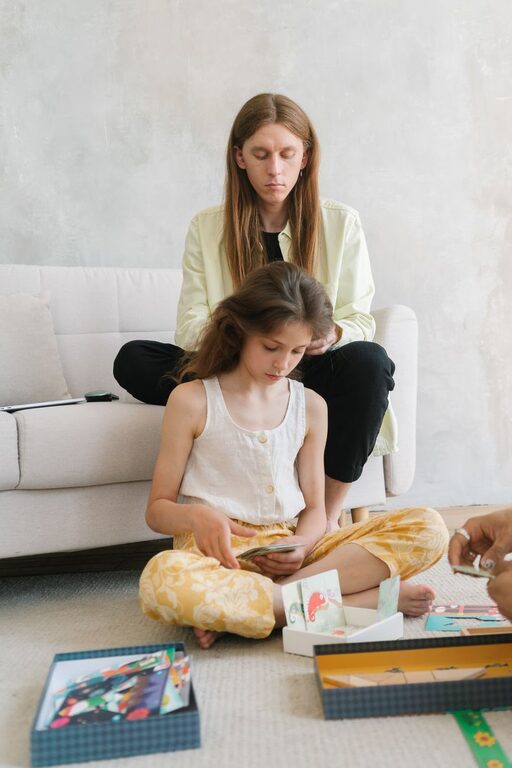
A family game night is a simple way to spend quality time together without leaving home. You do not need a large collection of games or a complicated plan. With a few familiar favorites, some creativity, and a relaxed attitude, you can create an evening everyone will enjoy.
The best game nights focus on connection rather than competition. Choose activities that match your family’s ages, interests, and energy levels. You can keep things short and lively or settle in for several hours of games, snacks, and conversation.
Start With a Simple Plan
Before game night begins, decide on a few basic details. A little planning can help the evening run smoothly while leaving plenty of room for surprises.
Consider:
– Which family members will participate
– How much time you have
– Whether younger children need simpler games
– How many games you want to play
– What snacks and drinks to serve
– Where everyone will sit comfortably
Invite family members to help choose the games. When everyone has a chance to make suggestions, players are more likely to feel included. You can also create a short schedule, such as one quick game, one longer game, and a final activity to finish the night.
Choose Games for Different Ages
Families often include players with different skills and attention spans. The right mix of games makes it easier for everyone to participate.
For Younger Children
Young children often enjoy games with simple rules, colorful pieces, and short playing times. Matching games, picture bingo, simple card games, and building challenges are good choices.
Try to avoid games that require children to wait too long between turns. Cooperative games can also work well because players team up instead of competing against one another. This approach can make the experience more encouraging for children who are still learning how games work.
For Older Children and Teens
Older children may enjoy strategy games, word games, trivia, puzzles, and creative challenges. Give them the opportunity to explain a favorite game to the rest of the family. Teaching the rules can help them practice communication and take an active role in the evening.
You can also add a friendly tournament with several short rounds. Keep the scoring simple and focus on having fun rather than naming one overall winner.
For Mixed-Age Groups
When ages vary, combine games with different levels of difficulty. Pair younger players with older family members for team activities, or let older children help younger ones understand the rules.
Another option is to use a handicap system. For example, experienced players might have an extra challenge, while newer players receive a small advantage. The goal is to keep the game enjoyable and balanced for everyone.
Try Classic Tabletop Games
Board games and card games are popular choices because they are easy to set up and offer many styles of play. Keep a small selection in an accessible place so family members can choose a game without spending too much time searching.
Some categories to consider include:
– Word games for spelling and vocabulary
– Drawing games for creative players
– Strategy games for thoughtful decision-making
– Matching games for younger children
– Trivia games for family knowledge
– Card games for quick rounds
– Cooperative games for teamwork
If your family is new to a particular game, read the instructions before game night. You can also watch a short tutorial or play a practice round. A quick introduction helps avoid confusion once everyone is ready to begin.
Add Homemade Games
You do not need store-bought games to have a great evening. Homemade games can be inexpensive, personal, and surprisingly entertaining.
Family Trivia
Write questions about family memories, favorite foods, hobbies, pets, or funny moments. Put the questions in a bowl and take turns answering them. Keep the questions light and positive so everyone feels comfortable joining in.
Examples include:
– What is our family’s favorite weekend activity?
– Who is most likely to sing while doing chores?
– What was the last movie we watched together?
– Which snack disappears first in our house?
Charades
Write simple actions, animals, jobs, or movie ideas on small slips of paper. Players take turns acting out a word while everyone else tries to guess it. For younger children, use pictures instead of written clues.
Drawing Relay
Divide into teams. One player receives a word and begins drawing it while teammates guess. After a short time, another player takes over the drawing. The changing artists often make this game especially funny.
Family Scavenger Hunt
Create a list of items to find around the house. You can use clues, colors, shapes, or categories, such as something soft, something blue, or something that reminds you of summer. Keep the hunt indoors and set clear boundaries for safety.
Plan Cooperative Challenges
Cooperative games encourage everyone to work toward the same goal. They are especially useful when family members have different experience levels or when you want a calmer alternative to competition.
Try a timed puzzle, a building challenge, or a group storytelling activity. For a building challenge, give everyone the same materials, such as blocks, paper cups, or craft sticks. Set a goal, like building the tallest tower or creating a bridge that holds a small object.
You can also tell a story one sentence at a time. One person starts with an opening line, and each player adds another sentence. Choose a theme, such as a trip to space, a mystery in the backyard, or an unusual day at school.
Include Active Games
If everyone has been sitting for a while, add an activity that gets people moving. Active games can take place in a living room, hallway, basement, or backyard, depending on your space.
Ideas include:
– Indoor bowling with plastic bottles
– Balloon volleyball
– A music freeze game
– A simple obstacle course
– Paper airplane contests
– A quiet movement challenge for younger children
Remove breakable items and make sure there is enough room to move safely. Short activity breaks can help children stay interested and give everyone a chance to reset.
Make Snacks Part of the Fun
Snacks can add a festive touch without requiring much work. Set up a small snack station before the games begin so players can help themselves between rounds.
Easy choices include:
– Popcorn
– Fresh fruit
– Pretzels
– Crackers and cheese
– Vegetable sticks
– Mini sandwiches
– Cookies or homemade treats
You can create a make-your-own snack option, such as a popcorn bar with different seasonings or a fruit skewer station. Use spill-resistant cups and plates, especially when playing near game pieces.
Keep the Atmosphere Relaxed
Not every game will be a perfect fit, and that is fine. If players seem bored or frustrated, switch activities instead of forcing everyone to continue. A game night can include conversation, music, snacks, and breaks as well as games.
Set a few friendly guidelines:
– Explain rules clearly before starting
– Take turns and give everyone a chance to play
– Keep teasing kind
– Celebrate creative ideas and good teamwork
– Allow players to skip an activity if needed
– Focus on fun rather than winning
You might also create a family game night tradition, such as choosing a theme each week, taking a group photo, or ending with everyone sharing their favorite moment.
Create a Recurring Tradition
A regular game night does not have to happen every week. Monthly or seasonal gatherings can work just as well. Choose a day that usually fits your family’s schedule and keep the plan flexible.
Over time, save favorite games in a special box and let a different family member choose the next activity. You can even create a simple score sheet for fun, but remember that the most valuable result is time spent together.
With a few games, easy snacks, and a welcoming attitude, your home can become the perfect setting for family game night. The best memories often come from the unexpected moments: a funny answer, a creative drawing, or a game that turns into a family favorite.