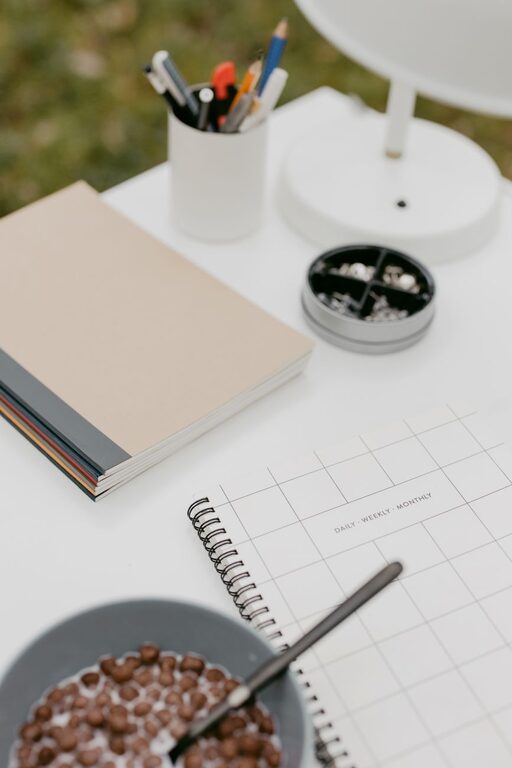

A day off at home can be just as refreshing as a trip away—if you give yourself permission to slow down. Without a simple plan, however, the day can disappear into chores, errands, screens, or unfinished tasks.
Planning a restful day does not mean filling every hour with activities. Instead, it means making a few thoughtful choices that support rest and help you return to your regular routine feeling refreshed. With the right balance of comfort, quiet, and gentle structure, your home can become the perfect place to recharge.
Decide What Rest Means to You
Before planning your day, think about what you need most. Rest looks different for everyone. You may want more sleep, less screen time, creative activities, or a break from making decisions.
Ask yourself:
– Do I need physical rest?
– Do I want a quiet day with minimal communication?
– Would a creative activity help me relax?
– Do I need time outdoors?
– Would I feel better after completing one small household task?
– What would make the day feel enjoyable rather than simply unproductive?
Your answers can guide the rest of your plan. If you feel tired, focus on comfort and fewer commitments. If you feel mentally busy, choose activities that help you slow down and pay attention to the present moment.
Set a Simple Intention
Choose one gentle intention for the day. This is not a strict goal or a long list of tasks. It is a reminder of how you want to feel.
Examples include:
– Take things slowly
– Spend less time online
– Enjoy my home
– Make space for creativity
– Rest without feeling guilty
– End the day feeling prepared for tomorrow
Write your intention on a note or add it to your phone. When you are deciding what to do next, use it as a guide. If an activity does not support your intention, you can skip it.
Prepare the Night Before
A few minutes of preparation can make your day off feel more relaxing from the start. The evening before, take care of anything that could create unnecessary stress in the morning.
You might:
– Put away a few items in the main living area
– Choose comfortable clothes
– Plan a simple breakfast
– Set out a book, puzzle, or craft project
– Turn off nonessential notifications
– Make a short list of optional activities
– Tidy the kitchen enough to make meals easier
Avoid turning preparation into a major cleaning project. The goal is to create a comfortable starting point, not to complete every household task.
Create a Gentle Morning
You do not need to wake up unusually early to make the most of a day off. Let your body rest, while still giving the morning a loose shape.
When you wake up, open the curtains or blinds to let in natural light. Drink some water, stretch gently, and prepare a breakfast you enjoy. If possible, avoid checking work messages or social media immediately. Starting the day with notifications can make your mind feel busy before you have had time to settle.
A calm morning might include:
– A warm drink
– Quiet music
– A short walk
– Reading a few pages
– Sitting near a window
– Writing in a journal
– Preparing a favorite breakfast
Choose only one or two options. A restful morning should not feel like a schedule to complete.
Make Your Home More Comfortable
Small changes can make your surroundings feel calmer. You do not need special equipment or expensive products. Focus on comfort and reducing visual or physical distractions.
Try the following:
– Open a window if the weather is comfortable
– Adjust the lighting to suit the time of day
– Put away items that are constantly catching your attention
– Add a blanket or pillow to your favorite chair
– Play soft background music or enjoy the quiet
– Keep water and snacks nearby
– Use a pleasant scent if you enjoy candles or essential oils
You can also choose one area of your home as a rest zone. It might be a sofa, reading chair, bedroom, balcony, or kitchen table. Keeping this space comfortable can make it easier to transition into a slower state of mind.
Plan One Useful Task, Not Ten
A day off does not have to be completely free of responsibilities. In fact, one small task may help you feel more settled. The key is to choose a task with a clear ending and a reasonable time limit.
Good options include:
– Washing a small load of laundry
– Changing your bed linens
– Watering plants
– Organizing one drawer
– Preparing food for the next day
– Taking out the recycling
Set a timer for 15 to 30 minutes, then stop when the time is up. Avoid letting one task lead to a full day of cleaning. If you finish early, enjoy the extra time rather than searching for another chore.
Choose Restful Activities
Plan a few activities that sound appealing, but leave open space between them. Having options is helpful; feeling obligated to complete them is not.
Consider:
– Reading a novel or magazine
– Watching a favorite movie
– Listening to a podcast or album
– Cooking a simple meal
– Baking something familiar
– Drawing, knitting, or doing another craft
– Completing a puzzle
– Playing a relaxed game
– Taking a long shower or bath
– Spending time with a pet
– Calling someone you enjoy talking to
Choose activities that allow you to be present. If you spend the entire day switching between apps, you may finish feeling more tired than when you started. This does not mean screens are off-limits. It simply helps to use them intentionally.
Include Some Gentle Movement
Rest does not require staying still all day. Light movement can help you feel comfortable and refreshed, especially if you have been sitting for long periods.
Keep it easy and enjoyable. You could stretch, walk around your neighborhood, tidy while listening to music, or follow a gentle movement video. A few minutes is enough. The purpose is not to meet a performance goal, but to help your body feel awake and relaxed.
If the weather is pleasant, spending time outside can add variety to the day. Sit on a porch, visit a nearby park, or walk to a local café. Even a short change of scenery can make a home-based day feel more spacious.
Keep Meals Simple and Enjoyable
Food can be an important part of a restful day, but complicated recipes may create extra work. Choose meals that are easy to prepare and satisfying to eat.
You might:
– Make a favorite breakfast
– Prepare a large salad or simple soup
– Use leftovers creatively
– Order a meal from a local restaurant
– Put together a snack plate
– Prepare ingredients earlier in the day
Try eating without rushing. Set the table, use a favorite mug or plate, and take a break from multitasking. A simple meal can feel special when you give it your full attention.
Protect Your Evening
As the day ends, begin shifting toward a comfortable evening. Avoid scheduling demanding tasks late in the day if possible. Instead, choose a quiet activity and make a short plan for tomorrow.
You might prepare clothes, check your calendar, or write down the first task you need to handle. Keep this planning brief. The purpose is to reduce morning decisions, not to restart your workday early.
Finish with a calming routine such as reading, listening to quiet music, stretching, or taking a warm shower. Dim the lights and put away devices when you are ready for sleep.
Let the Day Be Imperfect
A restful day does not need to look beautiful or productive. You may change your plans, spend longer than expected watching a movie, or decide that doing nothing is exactly what you need.
The most important part is paying attention to your energy and allowing yourself to rest without treating rest as a reward that must be earned. With a little preparation and a flexible plan, a day at home can provide meaningful time to recover, enjoy familiar comforts, and reconnect with the activities that make you feel like yourself.