
Why Clothing Care Matters
Taking care of your clothes can help them look better, fit properly, and last longer. Good care also reduces the need to replace worn items frequently. Small habits, such as washing garments less often, using the right water temperature, and storing clothing properly, can make a noticeable difference over time.
Every fabric has different needs, but a few basic practices work well for most wardrobes. Start by checking the care label, then adjust your washing, drying, and storage routines to suit the garment.
Read the Care Label First
Care labels provide useful instructions about washing, drying, ironing, and dry cleaning. Before cleaning a new item, check the label for details such as:
- Recommended water temperature
- Whether the item can be machine washed
- Whether bleach is safe to use
- Suitable drying methods
- Ironing temperature
- Whether professional cleaning is recommended
The care label is a helpful starting point, but it is also important to consider the fabric, color, and construction of the garment. Delicate materials, dark colors, and clothing with decorations may need gentler treatment than everyday cotton items.
Wash Clothes Only When Needed
Washing too often can cause fabric to fade, stretch, or lose its softness. Not every item needs to be washed after one use. Undergarments, socks, workout clothing, and stained items usually need frequent washing. Outer layers, pajamas, sweaters, and jeans may often be worn several times before cleaning.
After wearing a garment, hang it up and allow it to air out. If it has no stains or noticeable odor, it may be ready to wear again. Spot cleaning small marks can also help you avoid washing an entire garment.
Prepare Clothes Before Washing
A few minutes of preparation can prevent common laundry problems.
- Empty all pockets to protect both clothing and the washing machine.
- Close zippers to keep them from catching on other items.
- Fasten buttons loosely to help prevent stress on the fabric.
- Turn dark, printed, and decorated garments inside out.
- Separate clothes by color and washing requirements.
- Place delicate items in a mesh laundry bag.
Avoid overloading the washing machine. Clothes need room to move through the water and detergent. An overly full machine may not clean items evenly and can create extra friction between garments.
Choose the Right Washing Settings
Cool or cold water is often a good choice for everyday laundry. It can help reduce fading and shrinking while using less energy than hot water. Hot water may be useful for certain heavily soiled items, but always follow the care label.
Choose a gentle or delicate cycle for lightweight fabrics, lace, knitwear, and clothing with embellishments. Use a regular cycle for durable garments such as towels, sturdy cotton items, and some work clothes.
Use the recommended amount of detergent. Too much detergent can leave residue on fabric and may require extra rinsing. Too little may not remove dirt effectively. If a garment is only lightly soiled, a smaller amount may be enough.
Handle Stains Quickly
Fresh stains are usually easier to remove than older ones. When a spill occurs, gently blot it with a clean cloth instead of rubbing. Rubbing can push the stain deeper into the fibers or spread it across a larger area.
Check the care label before using a stain remover. Test any product on a hidden area first, especially on colored or delicate fabric. Avoid placing a stained item in the dryer until the stain has been removed, because heat can make some stains more difficult to treat.
For simple marks, a small amount of mild detergent and cool water may be enough. Work carefully from the outside of the stain toward the center, then rinse according to the garment’s care instructions.
Dry Clothes Carefully
Drying can have just as much impact on clothing as washing. High heat may cause shrinking, fading, or damage to elastic fibers. Whenever suitable, air-dry clothes instead of using a high-heat dryer.
Follow these tips:
- Shake garments gently before hanging them to reduce wrinkles.
- Lay sweaters and other stretchable items flat to help them keep their shape.
- Use padded or appropriately sized hangers for structured garments.
- Keep clothing away from strong, direct sunlight if fading is a concern.
- Remove clothes from the dryer promptly to reduce wrinkles.
- Do not hang heavy, wet knitwear, as it may stretch.
Make sure clothes are completely dry before folding or storing them. Damp fabric can develop an unpleasant smell and may encourage mildew.
Use Hangers and Folding Methods Wisely
The right storage method can help clothing maintain its shape. Use sturdy hangers for jackets, coats, and structured shirts. Avoid thin wire hangers that can leave bumps or place pressure on the shoulders.
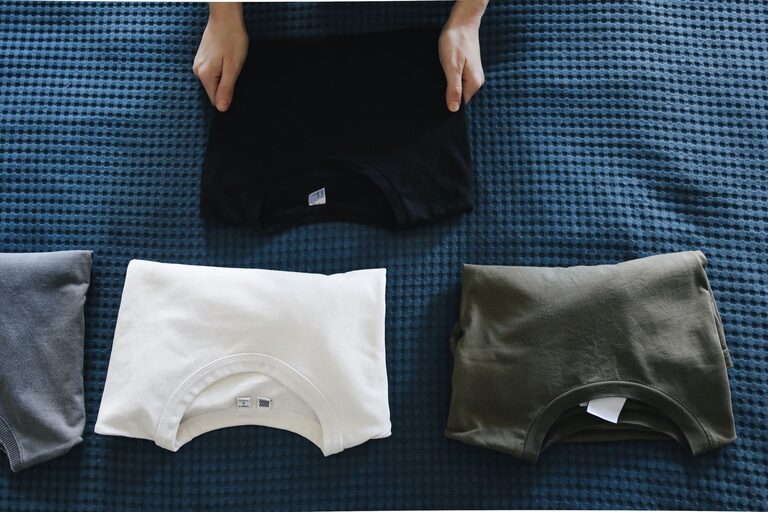
Fold knitwear, heavy sweaters, and stretchy items instead of hanging them. Hanging these garments for long periods may cause them to stretch. Fold T-shirts, jeans, and casual clothing neatly to reduce wrinkles and save space.
Do not pack drawers or shelves too tightly. Overcrowding can crush fabrics, make items difficult to remove, and cause unnecessary creasing. Leave enough room for air to circulate around stored clothing.
Protect Clothes in Storage
Before storing seasonal clothing, wash or clean each item and let it dry completely. Dirt, body oils, and food residue can attract insects or create stains that become harder to remove over time.
Store clothes in a cool, dry place away from direct sunlight. Breathable fabric storage bags are often useful for long-term storage. Avoid sealing natural fibers in containers that trap moisture unless the storage method is designed for that purpose.
For special garments, use acid-free tissue paper or a breathable garment bag when appropriate. Do not store clothing in damp basements, hot attics, or areas with large temperature changes.
Repair Small Problems Early
A loose button, small hole, or separated seam can become a larger problem if ignored. Check your clothes regularly and repair minor damage as soon as possible.
Basic repairs may include:
- Sewing on a loose button
- Securing a small open seam
- Replacing a worn shoelace or drawstring
- Removing loose threads carefully
- Reinforcing areas that receive frequent wear
If a garment needs a more complex repair, consider taking it to a tailor or repair service. A professional may be able to restore the item, adjust its fit, or replace damaged parts.
Refresh and Maintain Your Wardrobe
Regularly review your wardrobe so clothes do not remain unused or forgotten. Air out stored items, brush away lint, and remove small stains before they become permanent. A fabric shaver can help remove pills from suitable sweaters and knitwear, but use it gently and follow the tool’s instructions.
Rotate clothing when possible. Wearing the same few items repeatedly can cause them to wear out faster, while less-used garments may remain in good condition for longer. Giving clothes time to rest between wears can also help them air out naturally.
Build Simple Care Habits
Clothing care does not need to be complicated. Begin with a few consistent habits:
- Read labels before washing unfamiliar garments.
- Wash only when necessary.
- Use cool water and gentle cycles when suitable.
- Air-dry clothing whenever practical.
- Store garments clean, dry, and with enough space.
- Repair small problems before they grow.
With the right routine, many clothes can remain comfortable, attractive, and useful for much longer. A little extra attention after each wear and wash can protect your wardrobe and make everyday clothing care easier.